LEGO® SERIOUS PLAY® methodology
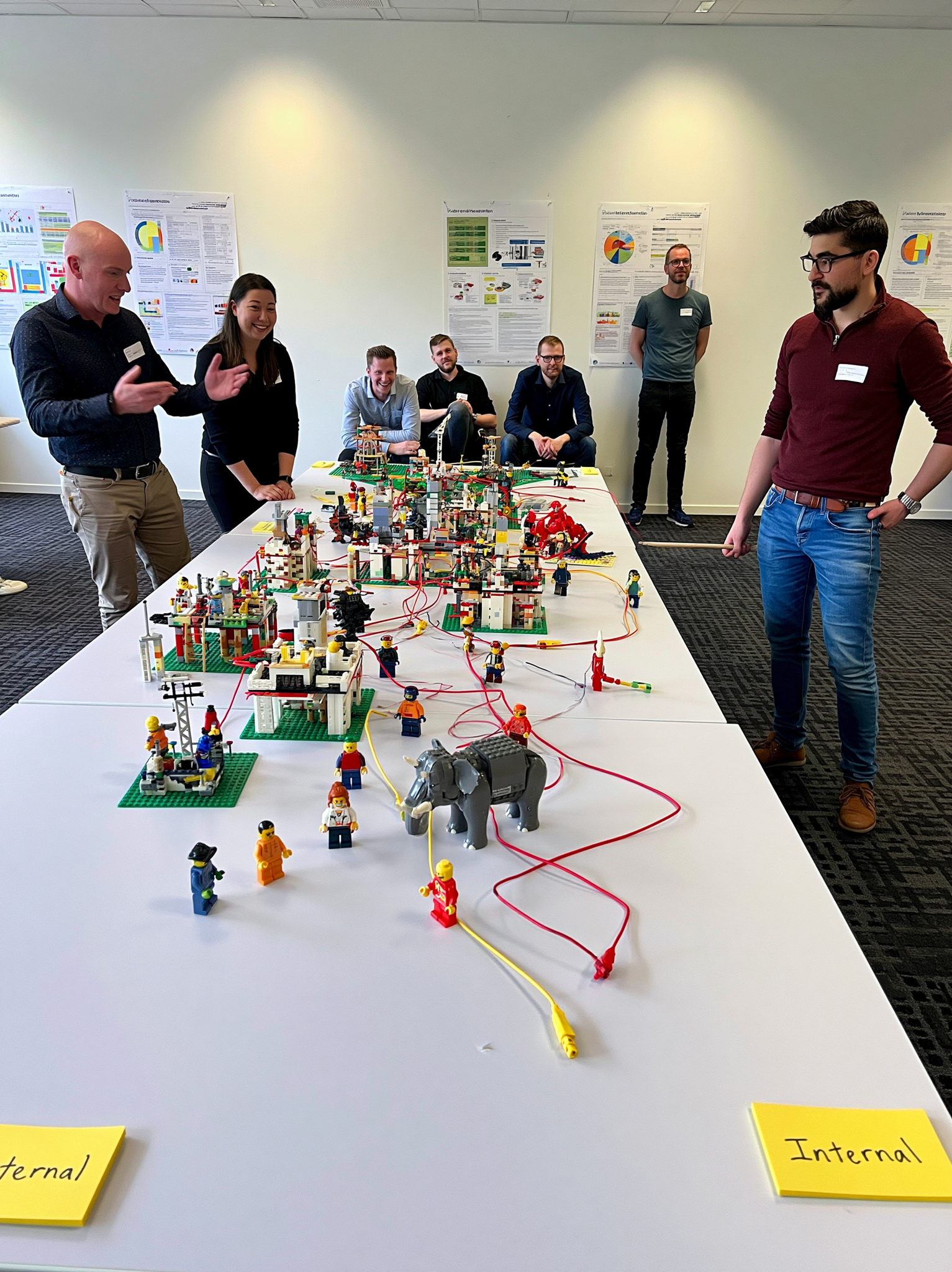
Strategy sessions using LEGO® SERIOUS PLAY® materials and methodology to help teams surface assumptions, align around complex decisions, and turn abstract thinking into something visible.
01
Complete Certification from Inthrface / The Brickmind Community.
02
Hands-on thinking, storytelling, reflection, and decision-making.
03
Useful when alignment, ownership, and participation matter.
04
Available for teams, organisations, institutions, and leadership groups.
The method
LEGO® SERIOUS PLAY® is not a creative icebreaker. It is a structured facilitation method where participants build models in response to carefully designed questions, give those models meaning, and use the stories around them to explore decisions, tensions, and possible futures.
✓
A structured method for surfacing hidden thinking, including every voice, and making abstract problems tangible.
×
Not a toy exercise, motivational activity, or replacement for strategy, evidence, and decision discipline.
Why it works
01
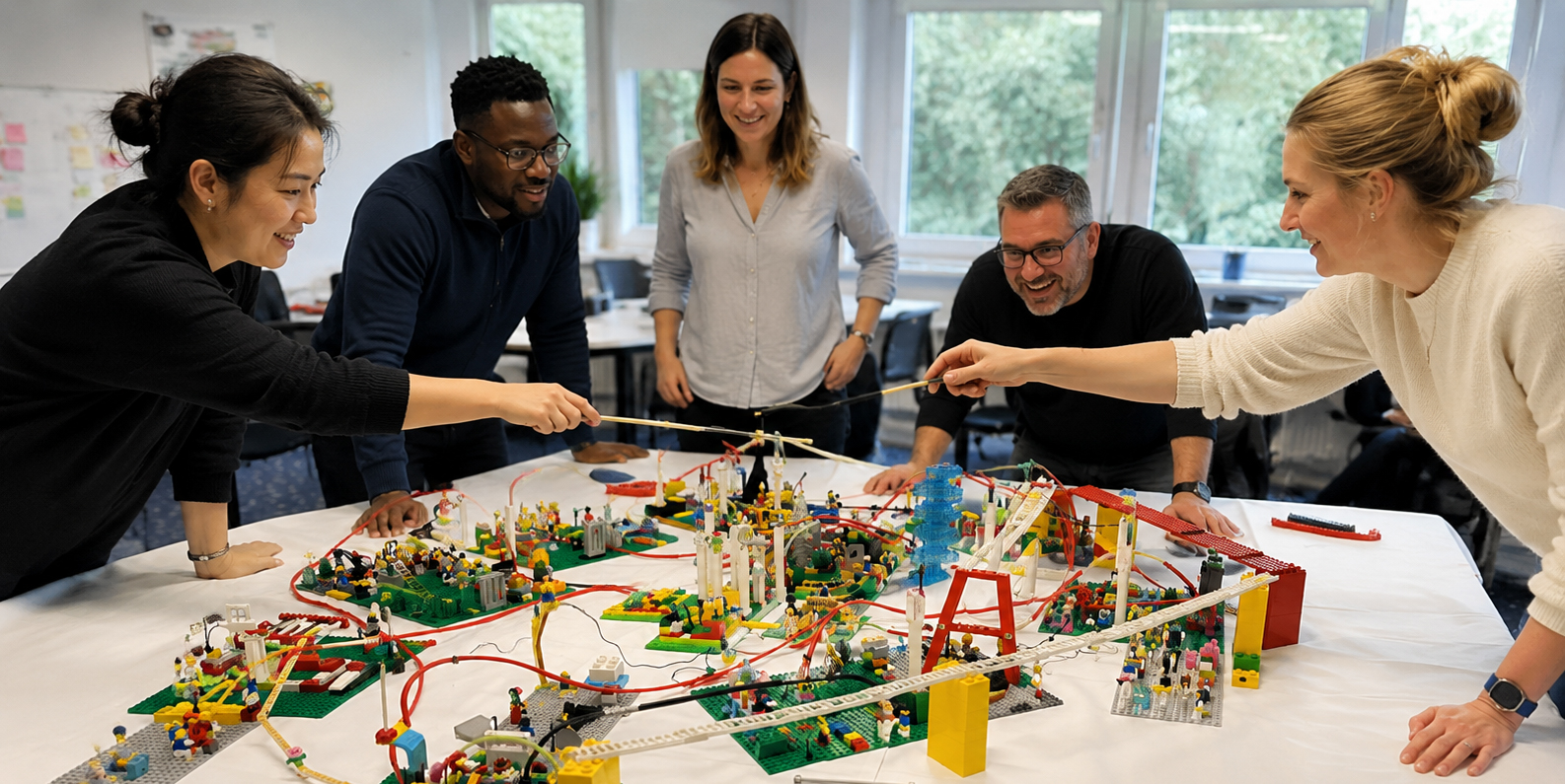
Everyone builds. Everyone explains. The room stops rewarding only the loudest thinker.
02
Models allow people to express complex ideas before the language is polished.
03
The conversation moves from personal opinion to a visible object everyone can question.
04
The model becomes a reference point for what was seen, built, and decided.
Process
01
The session starts with a focused challenge, not a vague brainstorming prompt.
02
Each participant builds their response before group conversation takes over.
03
Participants explain what they built and why it matters.
04
The group explores the model through open, appreciative questions.
05
Individual perspectives are connected into a collective representation.
06
Insight turns into decisions, next steps, ownership, and follow-up.
Proof of work
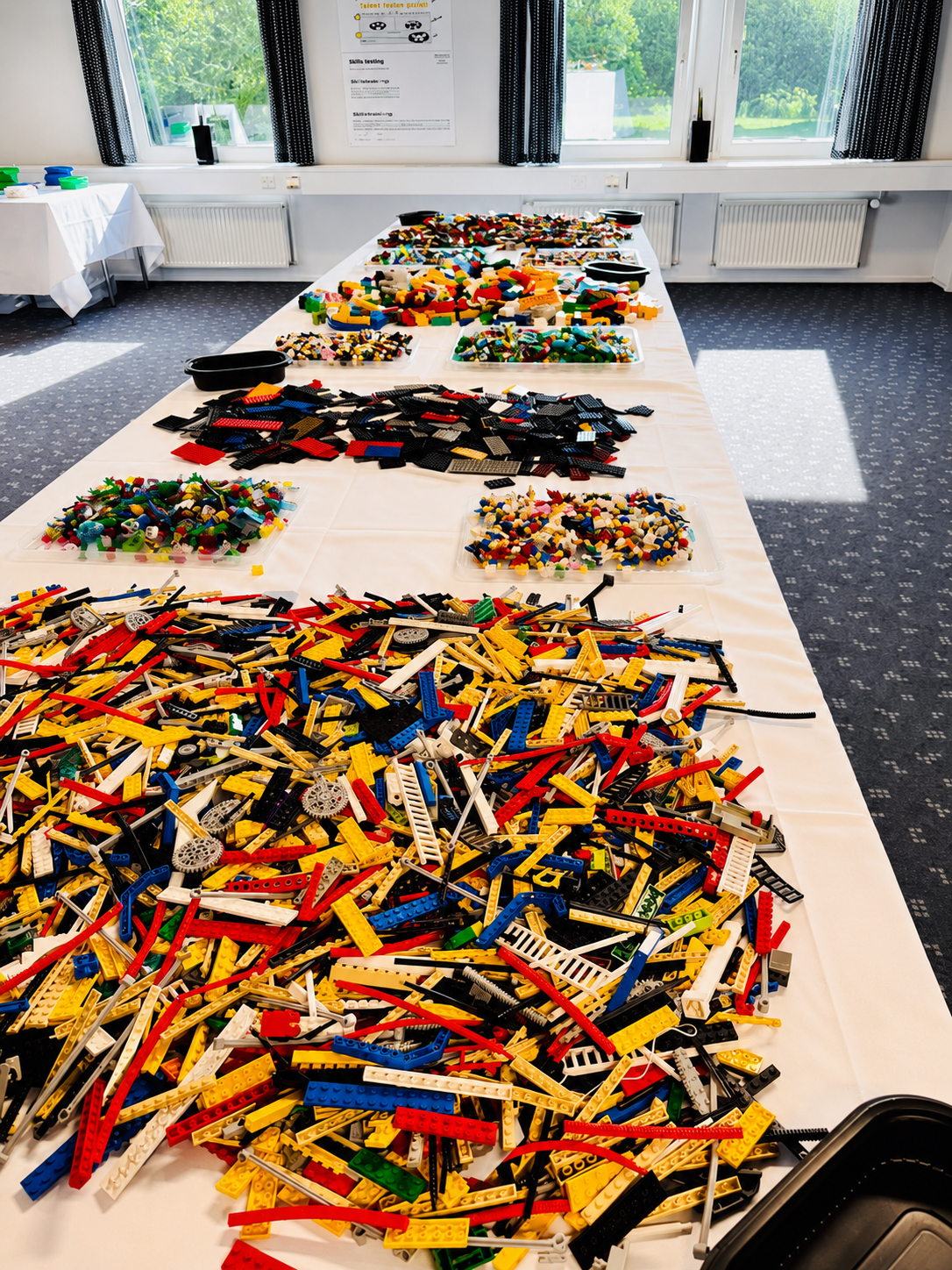
Individual Models

Shared landscape

Integrated with Design Thinking

Use cases
01
Surface different assumptions before making shared decisions.
02
Choose between too many ideas with more structure and less theatre.
03
Explore unclear, complex, or politically loaded challenges.
04
Make collaboration problems visible before jumping to shallow fixes.
05
Make identity, value, and audience choices tangible.
06
Understand relationships, tensions, and influence patterns.

Facilitated by
I’m Christian Vernaschi, founder of From Ideas to Impact. I combine more than 20 years in creative strategy with facilitation, Design Thinking, brand strategy, and leadership development. My work focuses on helping teams move from vague alignment to visible decisions they can actually act on.
Christian Vernaschi, Trained Certified Facilitator of LEGO® SERIOUS PLAY® method and materials
FAQ
No. The method is useful whenever a group needs to think clearly together: leadership teams, NGO boards, innovation teams, startup teams, public sector groups, and educational teams.
No. The process begins with skills-building exercises so participants become comfortable with building, metaphor, and storytelling.
Both, depending on the objective. The methodology creates the conditions for strategic thinking, but the session design determines the business outcome.
Yes. It works well with stakeholder mapping, journey mapping, problem framing, ideation, prototyping, and decision translation.
Most formats work best as a half-day, full-day, or multi-day session depending on the complexity of the challenge.
No. The LEGO Group does not sponsor, authorize, or endorse this website or these services.
The moment people build what they mean, hidden assumptions become visible. That is when alignment stops being a nice word and starts becoming work.
Articles
19/10/2026
Every assumption gets tested eventually. Most organisations only own the expensive version: build it, launch it, find out. The cheap version is
Read more
19/10/2026
Ask a student to explain their concept and they describe it. Ask them to explain the metaphor they chose and they often
Read more
18/09/2026
Every assumption gets tested eventually. Most organisations only own the expensive version: build it, launch it, find out. The cheap version is
Read more