Investor Pitch & Storytelling workshop
A facilitated workshop for startups, entrepreneurs, and companies preparing for funding, to sharpen the narrative, strengthen the pitch, and handle tough questions with confidence.

01
Startups, entrepreneurs, and companies preparing for funding rounds.
02
One day in person or a four-week online programme, tailored to your round and your audience.
03
Storytelling Frameworks, Persuasive Communication, and Investor Psychology.
04
In person or online for teams, organisations, institutions, and leadership groups.

The challenge
Many pitches explain what a company does but not why it matters, why now, and why this team. Slides get crowded, the story gets lost, and the hardest questions arrive unprepared. This workshop rebuilds the narrative from the investor's point of view, so the pitch is clear, credible, and memorable.
✓
A structured process to build the narrative, refine the pitch, and rehearse the conversation with investors.
×
Not a deck-design service, a guarantee of funding, or a substitute for financial and legal due diligence.
Why it works

01
The pitch is built around what investors need to understand and believe, not what the team wants to say.
02
Situation, idea, mechanism, argument, and closure give the pitch a structure people can follow.
03
Every key claim is connected to the proof that supports it.
04
Practising tough questions turns objections into moments of credibility.
Process
01
We clarify the round, the investors you want to reach, and what they need to believe.
02
Your current pitch and deck are reviewed for clarity, logic, and evidence.
03
Investor personas make expectations, concerns, and decision criteria explicit.
04
The narrative is rebuilt around situation, idea, mechanism, argument, and closure.
05
Slides and messages are simplified to support the story, not compete with it.
06
The team practises the pitch and the toughest questions, with structured feedback.
In practice
Mapping the journey

Shaping the narrative

Owning the message

Outcomes
01
A storyline that explains the problem, the solution, and why your team is the one to build it.
02
Slides simplified and reordered to support the story.
03
A sharper view of who you are pitching to and what they need to believe.
04
Key claims linked to the data and proof points that back them up.
05
Prepared answers to the toughest questions you are likely to face.
06
Structured feedback on delivery, with priorities for the next practice round.
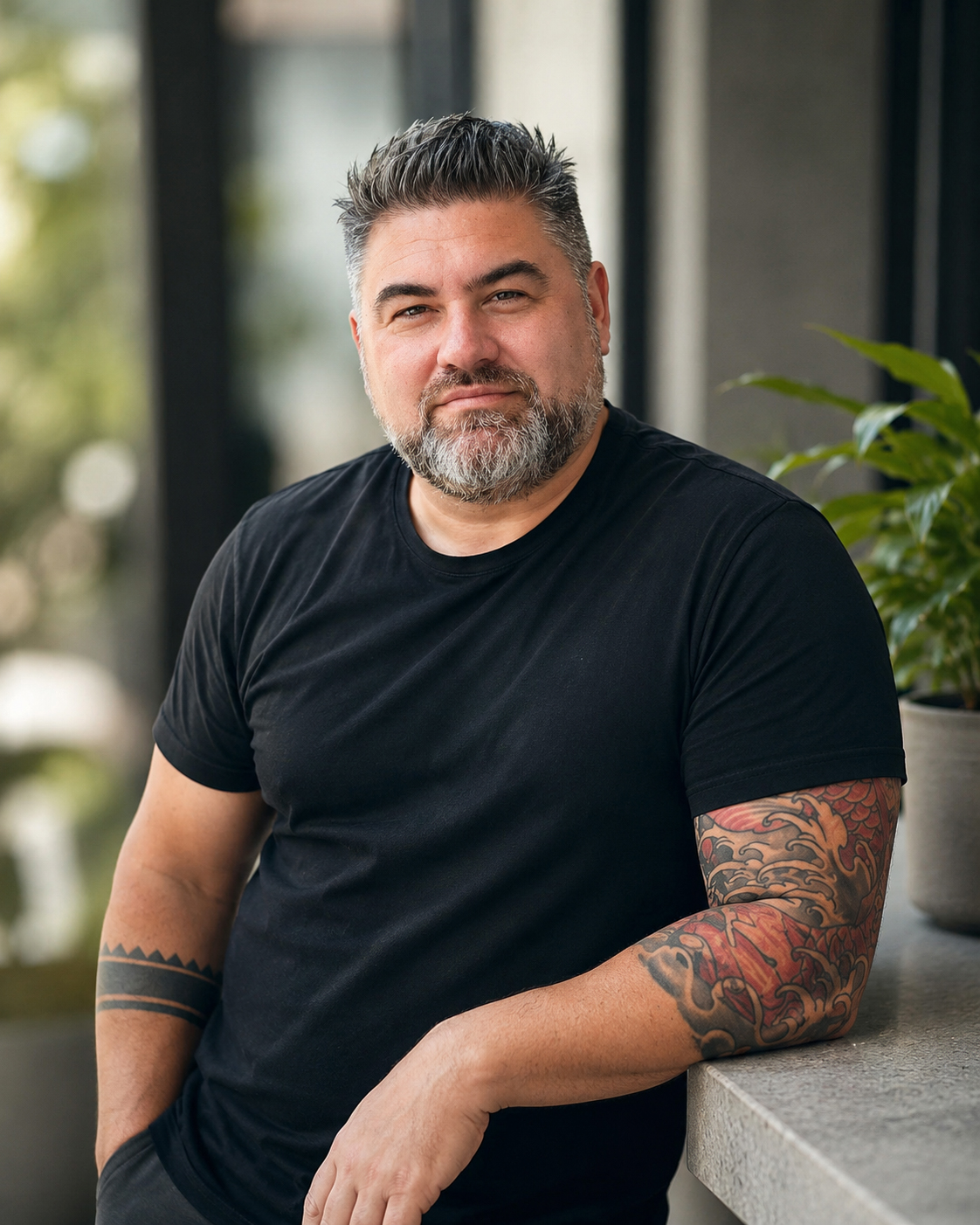
Facilitated by
I’m Christian Vernaschi, founder of From Ideas to Impact. I combine more than 20 years in creative strategy with facilitation, Design Thinking, brand strategy, and leadership development. My work focuses on helping teams move from vague alignment to visible decisions they can actually act on.
Christian Vernaschi, Trained Certified Facilitator of LEGO® SERIOUS PLAY® method and materials
FAQ
The founders or leaders who will pitch, plus anyone who owns the numbers, the product, or the market story.
No. We can start from an existing deck or from scratch. Bringing what you have helps us focus the session where it matters most.
Only when it fits. The core methods are storytelling and persuasive communication; LEGO® SERIOUS PLAY® can help a team agree on its story before the slides are written.
Yes. The in-person version typically runs over one day; the online version is spread over about four weeks of shorter sessions.
You leave with the refined narrative and practice notes. A follow-up rehearsal can be added before important investor meetings.
No. Funding depends on the business, the market, and the investors. The workshop makes sure your story does justice to what you are building.
When the narrative is clear and the evidence is in place, investors can follow you. That is when a pitch stops being a presentation and starts becoming a conversation.
Articles
19/10/2026
Every assumption gets tested eventually. Most organisations only own the expensive version: build it, launch it, find out. The cheap version is
Read more
19/10/2026
Ask a student to explain their concept and they describe it. Ask them to explain the metaphor they chose and they often
Read more
18/09/2026
Every assumption gets tested eventually. Most organisations only own the expensive version: build it, launch it, find out. The cheap version is
Read more