Team Alignment & High-Performance workshop
A facilitated workshop for cross-functional teams that need to break silos, clarify roles, and build the trust it takes to perform together.

01
Cross-functional teams, project managers, and HR leaders.
02
Two days in person or a four-week online programme, tailored to your team and its challenge.
03
Team Dynamics Mapping, Psychological Safety Frameworks, and Design Thinking, combined to fit the team.
04
In person or online for teams, organisations, institutions, and leadership groups.

The challenge
Silos, unclear roles, and unspoken tensions rarely show up on an agenda. They show up as slow handovers, repeated discussions, and quiet disengagement. This workshop makes team dynamics visible and discussable, so the team can fix how it works instead of working around it.
✓
A structured process to surface team dynamics, clarify roles, and agree how the team works together.
×
Not a teambuilding day out, an icebreaker session, or a substitute for addressing structural or performance issues.
Why it works
01
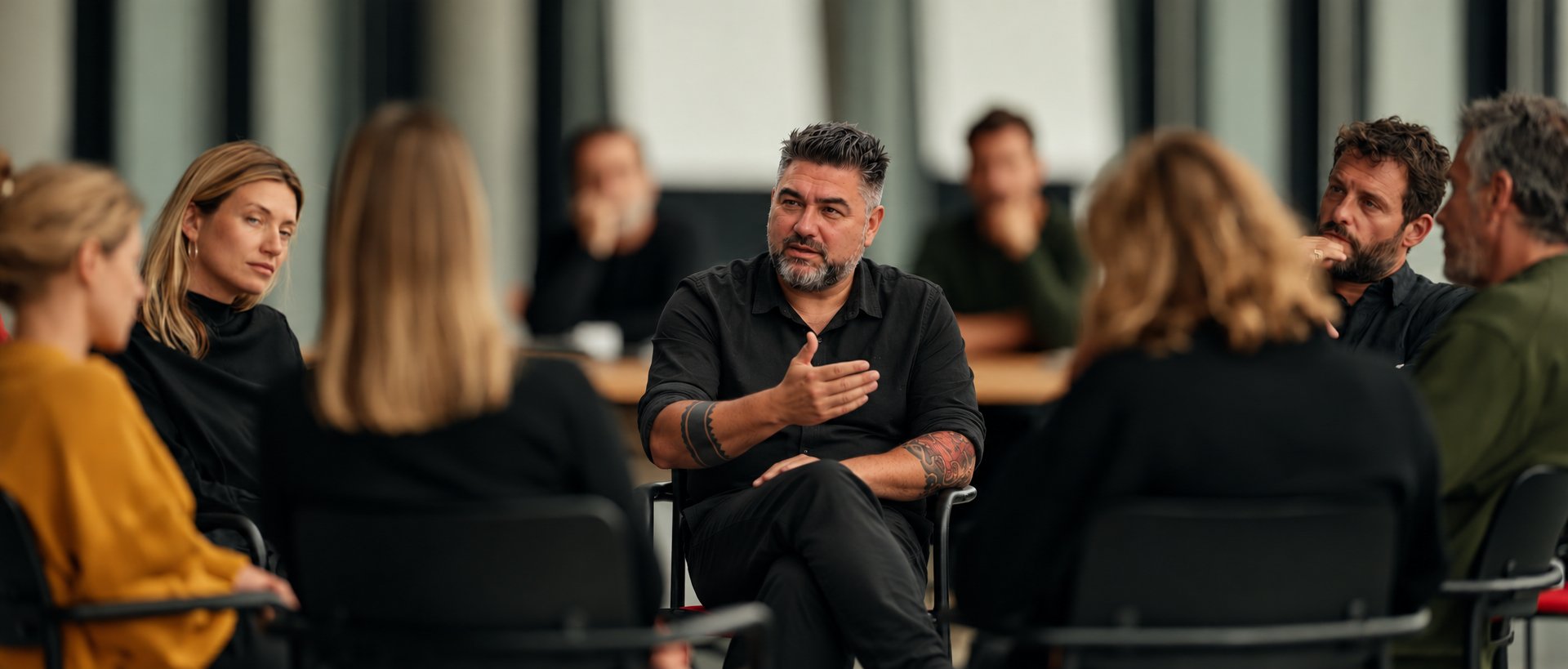
Clear rules and structured turns make it easier to raise what usually goes unsaid.
02
Mapping how the team really works reveals handovers, dependencies, and friction points.
03
Members clarify what they contribute, what they need, and where responsibilities overlap.
04
The team leaves with working agreements it designed itself, not rules imposed from outside.
Process
01
We start by understanding the team's goals, context, and the tensions it wants to address.
02
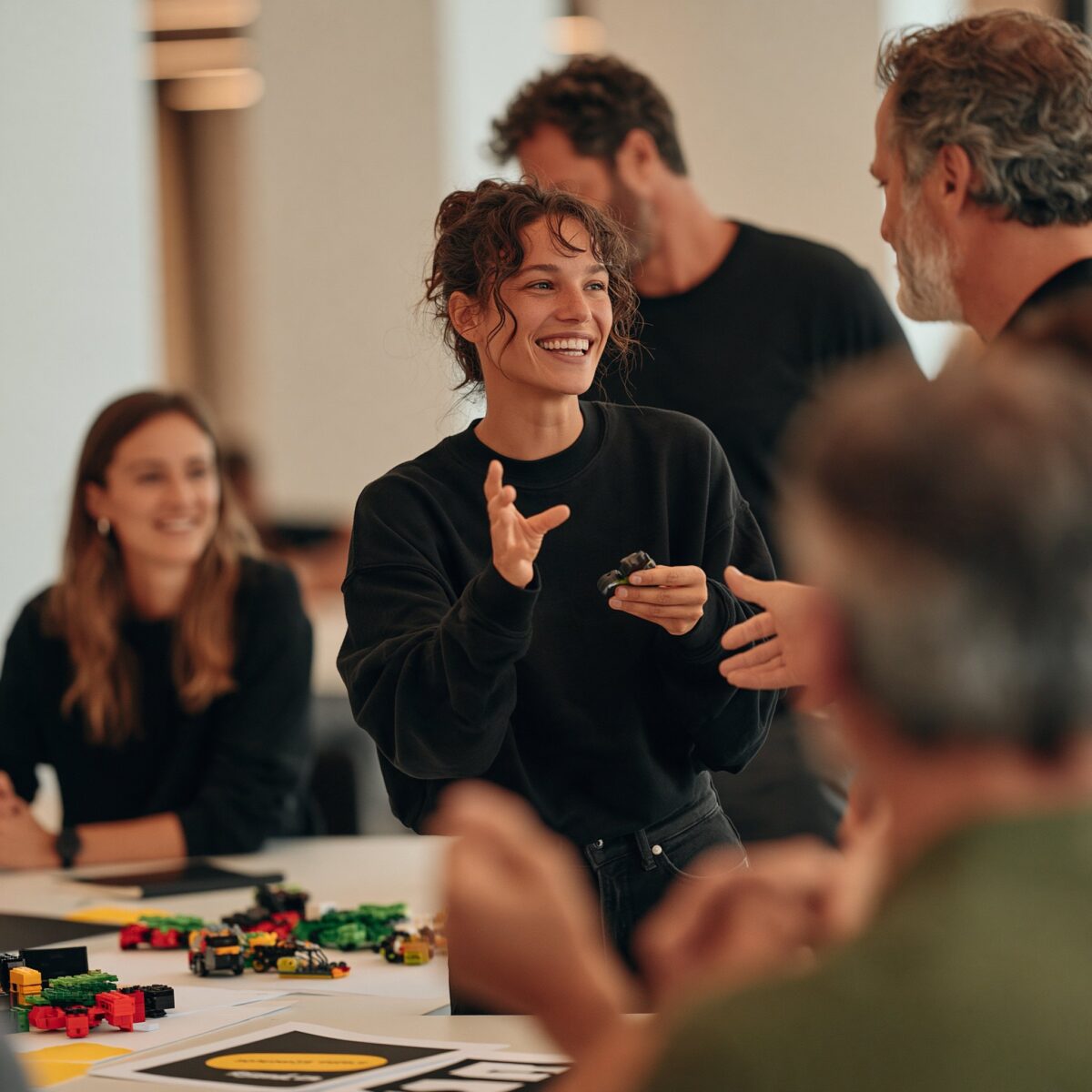
Each member shares how they see the team, their role, and what helps or blocks them.
03
The group maps relationships, handovers, and dependencies across the team.
04
Tensions and blind spots are named openly, with structure and care.
05
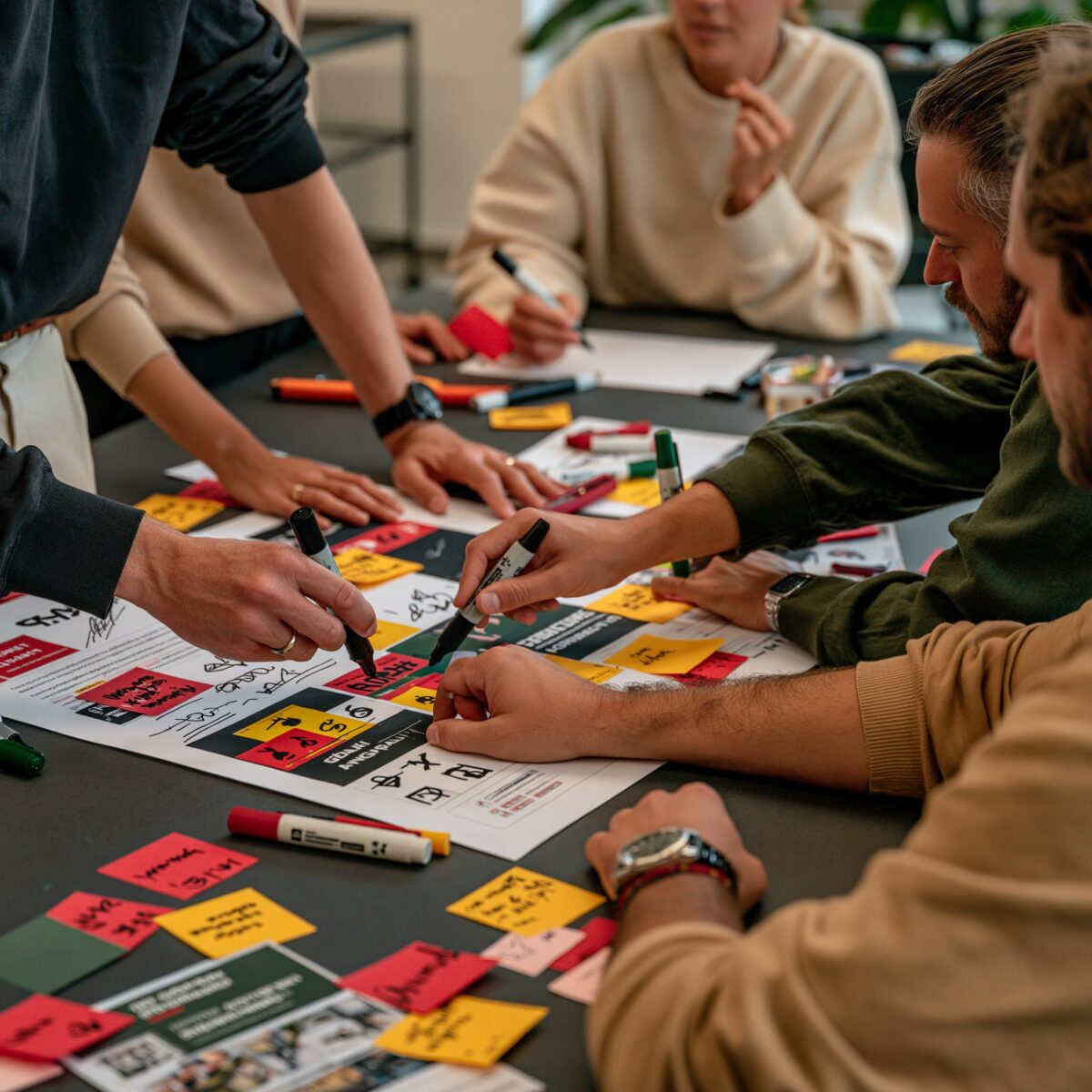
The team designs new working agreements, roles, and rituals.
06
Agreements get owners, check-in moments, and a simple way to track progress.
In practice
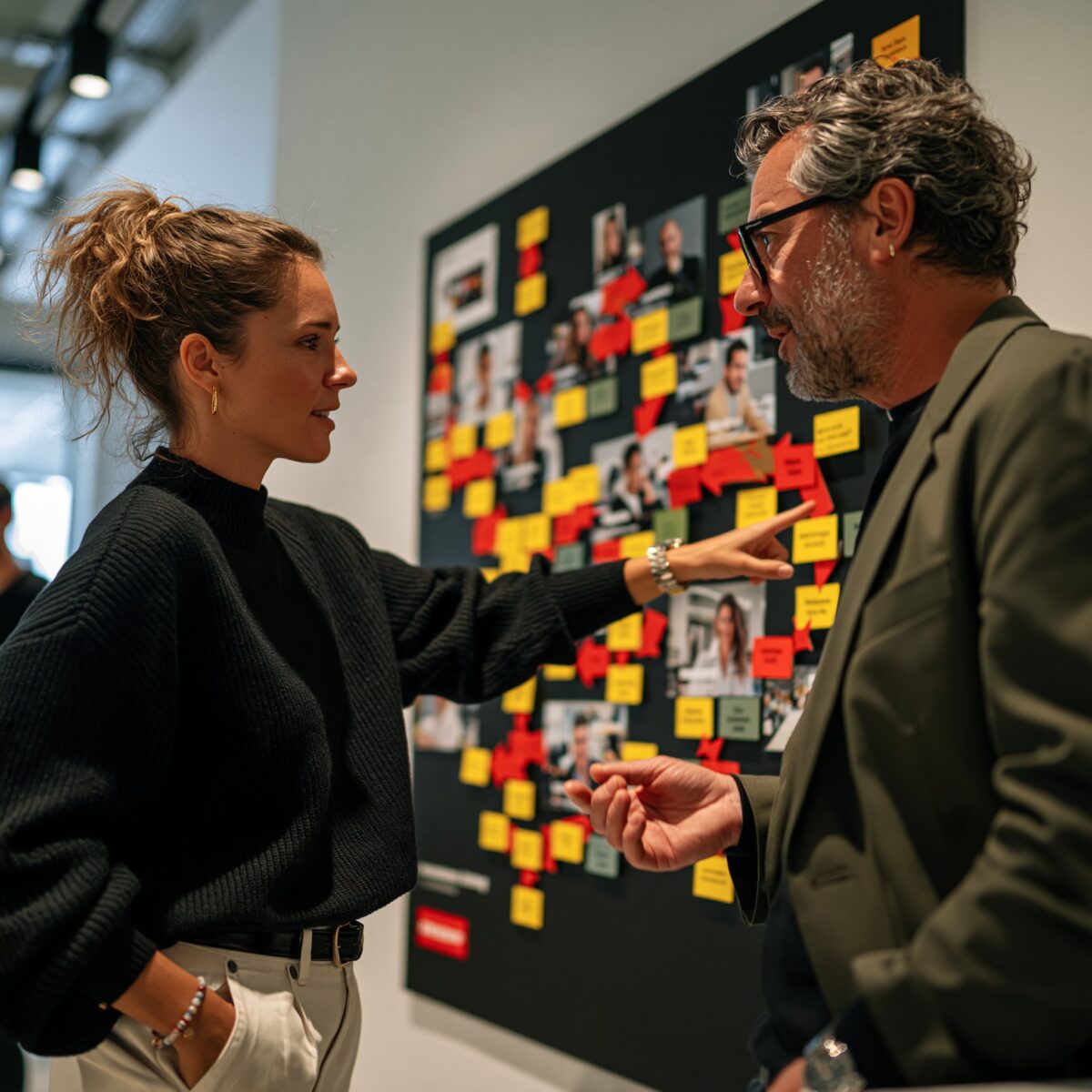
Making the work visible
Every voice in the room
Working agreements
Outcomes
01
A visual map of how the team works today, including its strengths and friction points.
02
A common understanding of who does what, and where responsibilities meet.
03
Practical agreements on communication, decisions, and collaboration.
04
Agreed changes to handovers and workflows where friction is highest.
05
The tensions that need more time, with a plan for how to address them.
06
Check-in moments to see whether the agreements hold and adjust them when needed.

Facilitated by
I’m Christian Vernaschi, founder of From Ideas to Impact. I combine more than 20 years in creative strategy with facilitation, Design Thinking, brand strategy, and leadership development. My work focuses on helping teams move from vague alignment to visible decisions they can actually act on.
Christian Vernaschi, Trained Certified Facilitator of LEGO® SERIOUS PLAY® method and materials
FAQ
The whole team whenever possible, including its leader. For larger or cross-functional groups we agree the right participants and format during preparation.
That is often the reason to do the workshop. Preparation includes a conversation with the team lead, so the session is designed to handle sensitive topics with care.
It can. LEGO® SERIOUS PLAY® works well for exploring team identity and roles, but the final mix of methods depends on your team and its challenge.
Yes. The in-person version typically runs over two days; the online version is spread over about four weeks of shorter sessions.
You receive a summary of the team picture and agreements. A follow-up check-in can be added to review what is working and what needs adjusting.
Not in the usual sense. The session can be enjoyable, but its purpose is practical: clearer roles, better collaboration, and agreements the team actually uses.
When roles, tensions, and expectations are visible, a team can fix them. That is when collaboration stops being an aspiration and starts becoming practice.
Articles
19/10/2026
Every assumption gets tested eventually. Most organisations only own the expensive version: build it, launch it, find out. The cheap version is
Read more
19/10/2026
Ask a student to explain their concept and they describe it. Ask them to explain the metaphor they chose and they often
Read more
18/09/2026
Every assumption gets tested eventually. Most organisations only own the expensive version: build it, launch it, find out. The cheap version is
Read more