
The workshop ends. The decision system begins.
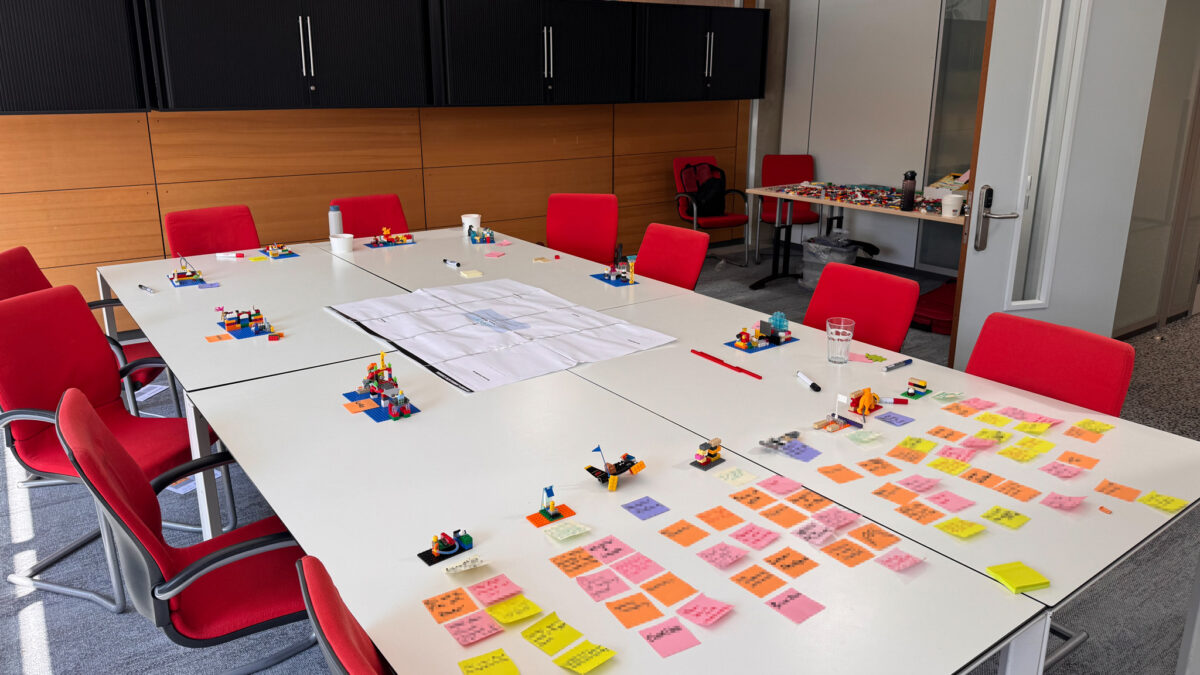
A LEGO® SERIOUS PLAY® workshop follow-up transforms shared models into actionable choices that endure beyond the session. As teams build their path to market, they uncover hidden assumptions and dependencies, revealing that success hinges not just on technicalities but on relationships within the customer organization. However, the challenge arises when the workshop ends, and the clarity fades as teams return to their usual routines. To maintain momentum, it’s crucial to translate insights into decisions, ownership, and evidence. Discover how to turn workshop energy into lasting impact and ensure your team can act on what they learned long after the bricks are packed away.
Why LEGO Serious Play resists the facilitation shortcut
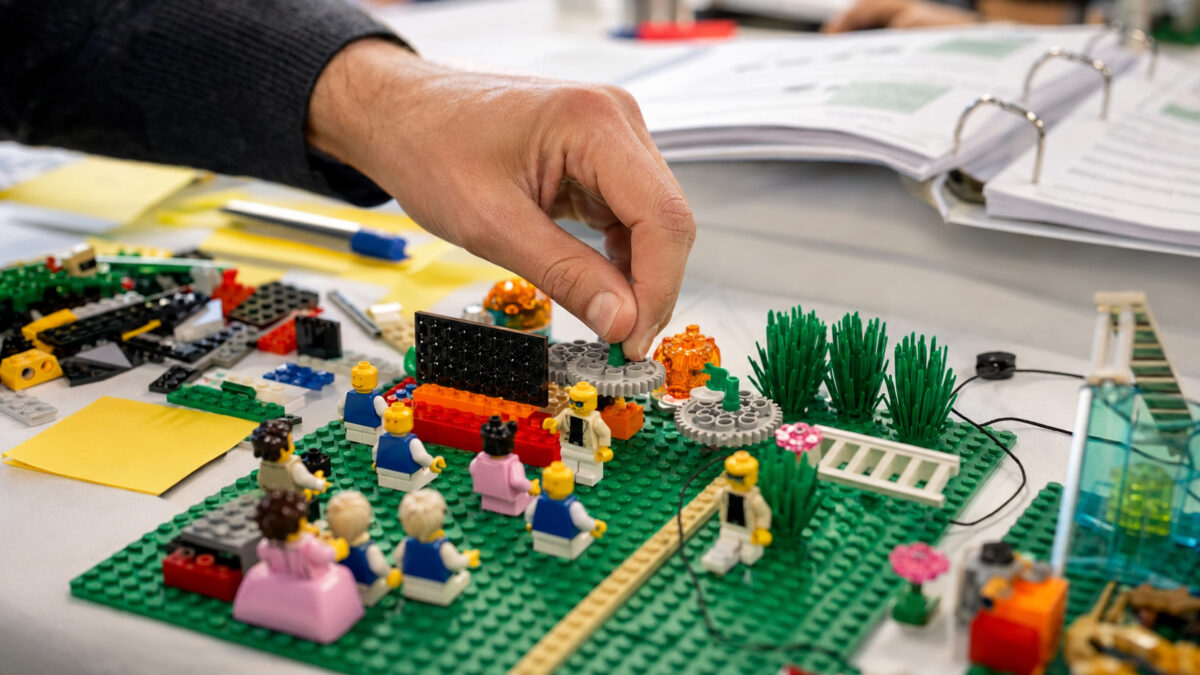
Design Thinking became a checklist that scales. LEGO® Serious Play® still needs a facilitator willing to press on an answer nobody had fully worked out yet, and that’s exactly the part no shortcut can reproduce.
AI FOMO is not about technology. It’s about how you think.
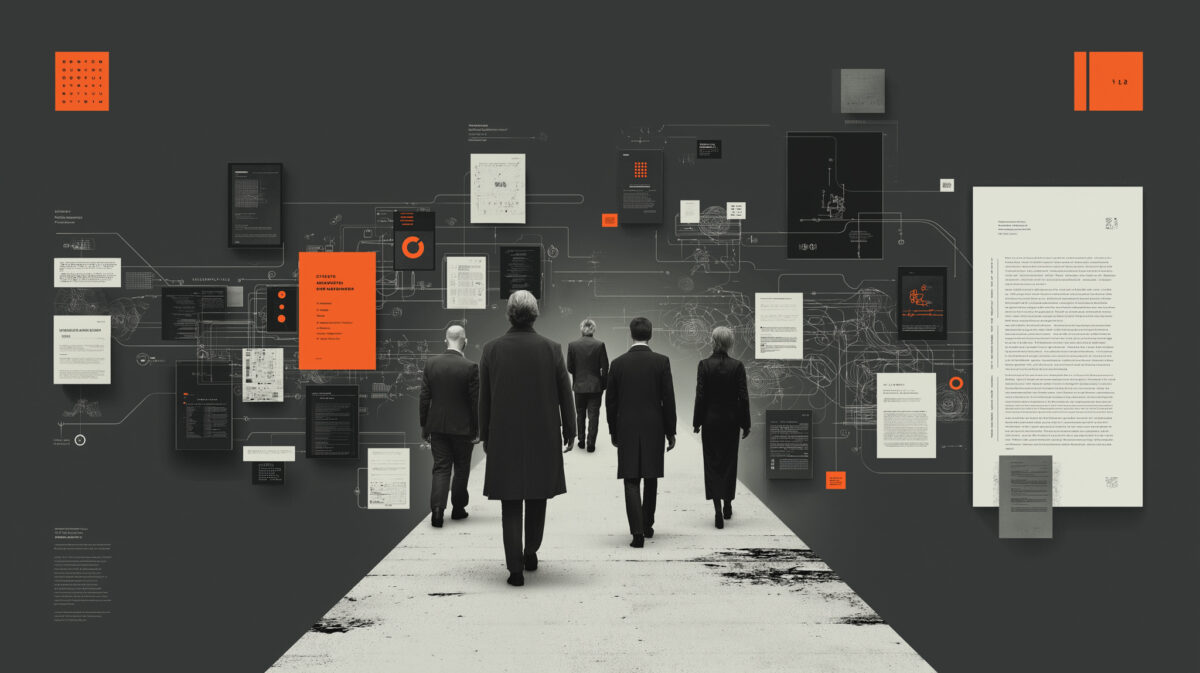
Most AI conversations stay at the level of tools. The real issue is deeper. AI exposes how teams think, decide, and organise work. This article explores why AI FOMO is less about technology and more about decision systems.
Innovation fails when teams cannot think together

Innovation rarely fails because organizations lack ideas or technology. It fails when teams struggle to think through complex problems together. This article explores why innovation depends on collective reasoning, decision structures, and team capability rather than tools alone.
Team culture vs leadership: why teams shape culture more than leaders

Culture is not shaped by leadership intent, but by everyday team behaviour. This article explores why culture forms inside teams, how over-owning culture breaks execution, and what leaders must design for if they want culture to scale.
Human machine culture: why the real challenge is not AI but how we work together
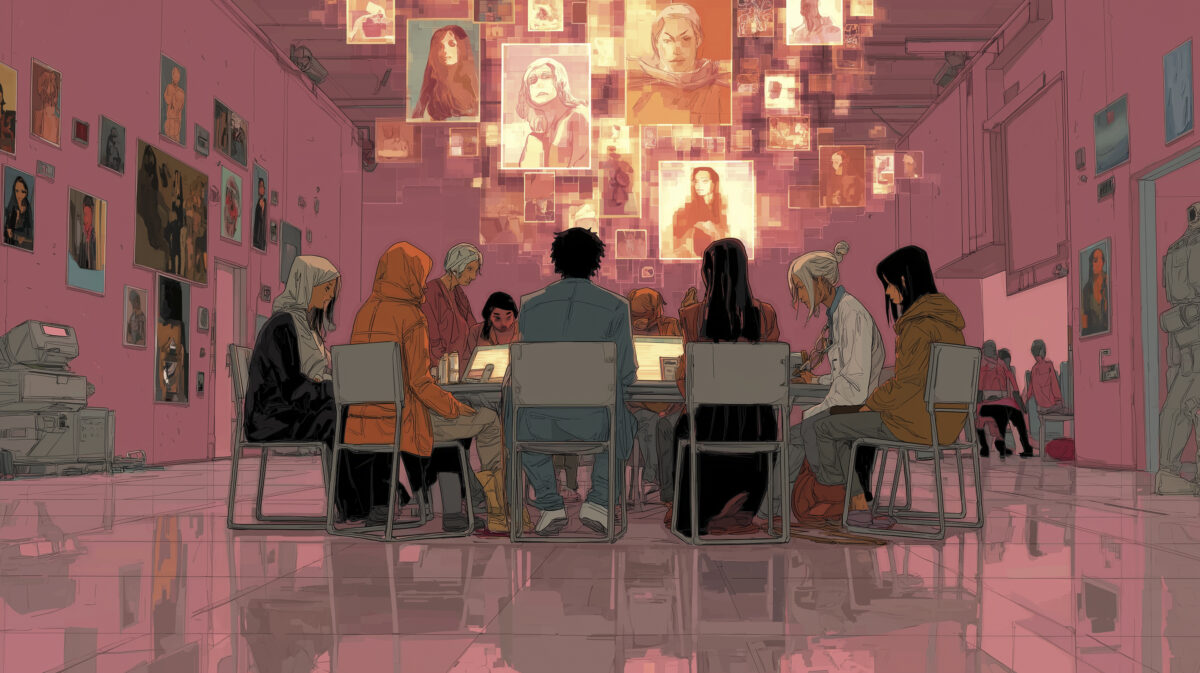
As AI quietly enters everyday work, teams are adapting faster than leadership narratives can follow. Decisions increasingly happen outside formal processes, and tools like AI are often used without being openly discussed. This creates a growing gap between how work is officially described and how it actually happens.
This article explores why human machine culture has become a critical challenge for organizations, especially SMEs, NGOs, and CSR teams. It argues that the real risk is not technology itself, but the silence that forms when behavior changes faster than culture. And it shows why making these patterns visible is now essential to keeping work, trust, and decision making aligned.
Forget policies. Design adaptive cultures instead.

Adaptability is not a policy problem. It is a behavioural one. This article examines how leaders can design the conditions for better decision-making, rather than adding more rules that fail under pressure.
The questions I didn’t ask

Leadership self-reflection isn’t about better answers. It’s about noticing the questions we rush past when experience and responsibility take over. This article explores how slowing down thinking can improve leadership decisions under pressure.
Leading through mistakes

Mistakes don’t just happen. They reveal how your team behaves under pressure. This article explores why leadership, culture, and psychological safety determine what happens in those critical moments.
Governance, not glitter! Designing creative systems that scale with AI
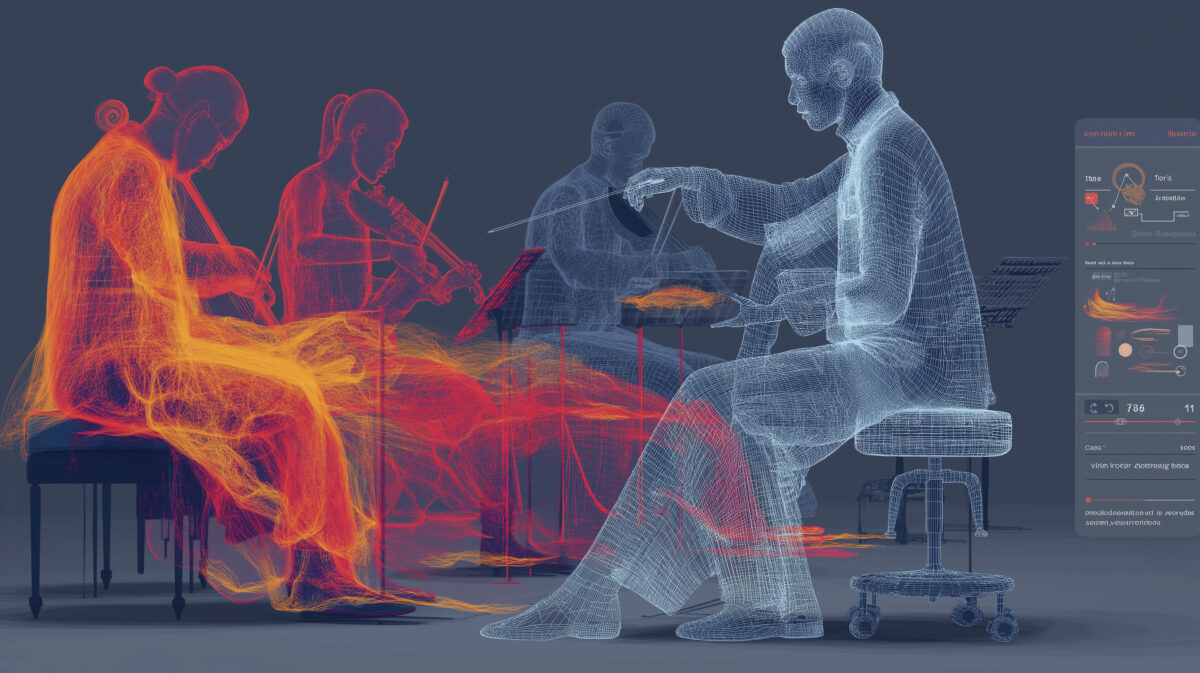
AI is reshaping the creative world—but not always for the better. As platforms like Canva’s newly relaunched free Affinity suite make design faster and more accessible, many teams risk trading quality for speed. In Governance, Not Glitter, Chris Vernaschi explores why the next frontier of creativity isn’t about mastering new tools, but mastering the systems that govern them. Drawing from real-world facilitation experience, he argues that brand coherence, ethical alignment, and structured leadership—not endless output—are what make creativity truly scalable.