
The hour that decides the project
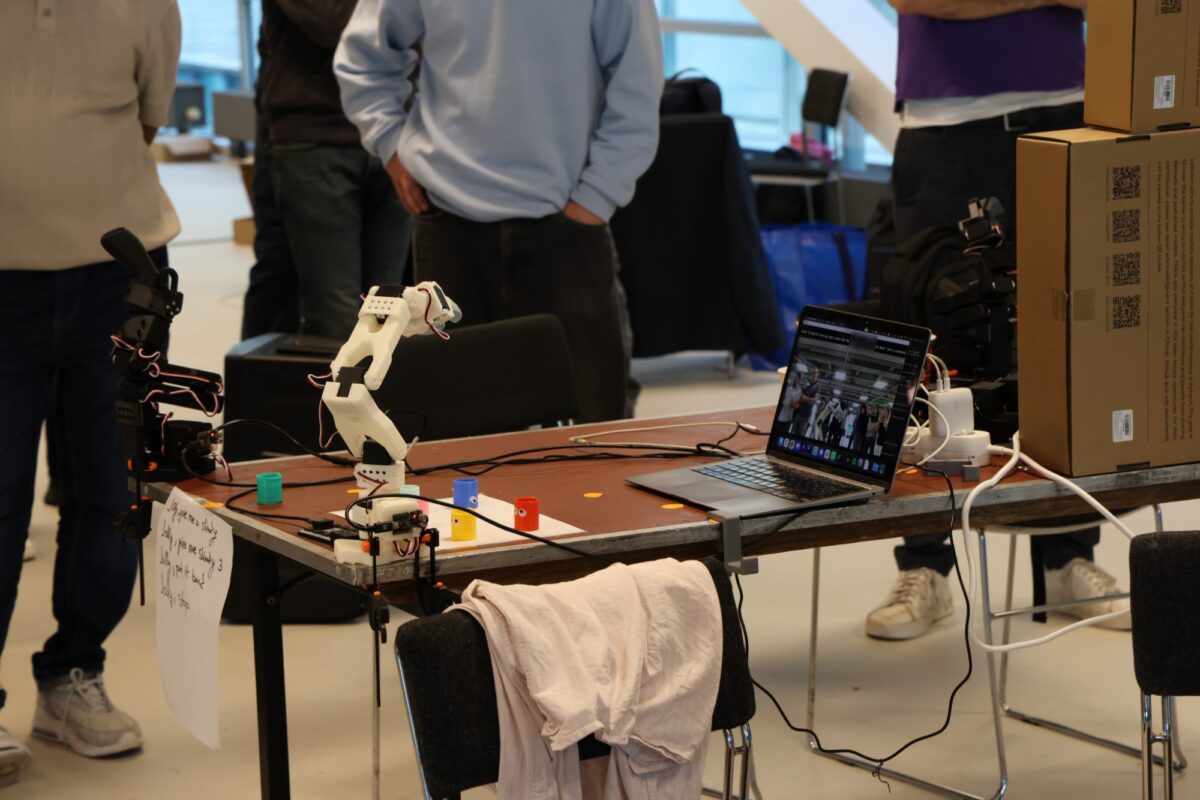
Every assumption gets tested eventually. Most organisations only own the expensive version: build it, launch it, find out. The cheap version is available the whole time and almost nobody runs it, because it costs something that has no line item. A look at why certainty is the most expensive thing a company protects.
The assumption you can’t see until you explain it: LEGO® SERIOUS PLAY® in higher education

Ask a student to explain their concept and they describe it. Ask them to explain the metaphor they chose and they often stop mid-sentence. Why the case for LEGO Serious Play in a classroom is not engagement, what four points in a course it actually earns, and what the research does and does not support.
The test you never ran is the one that costs most

Every assumption gets tested eventually. Most organisations only own the expensive version: build it, launch it, find out. The cheap version is available the whole time and almost nobody runs it, because it costs something that has no line item. A look at why certainty is the most expensive thing a company protects.
The workshop ends. The decision system begins.
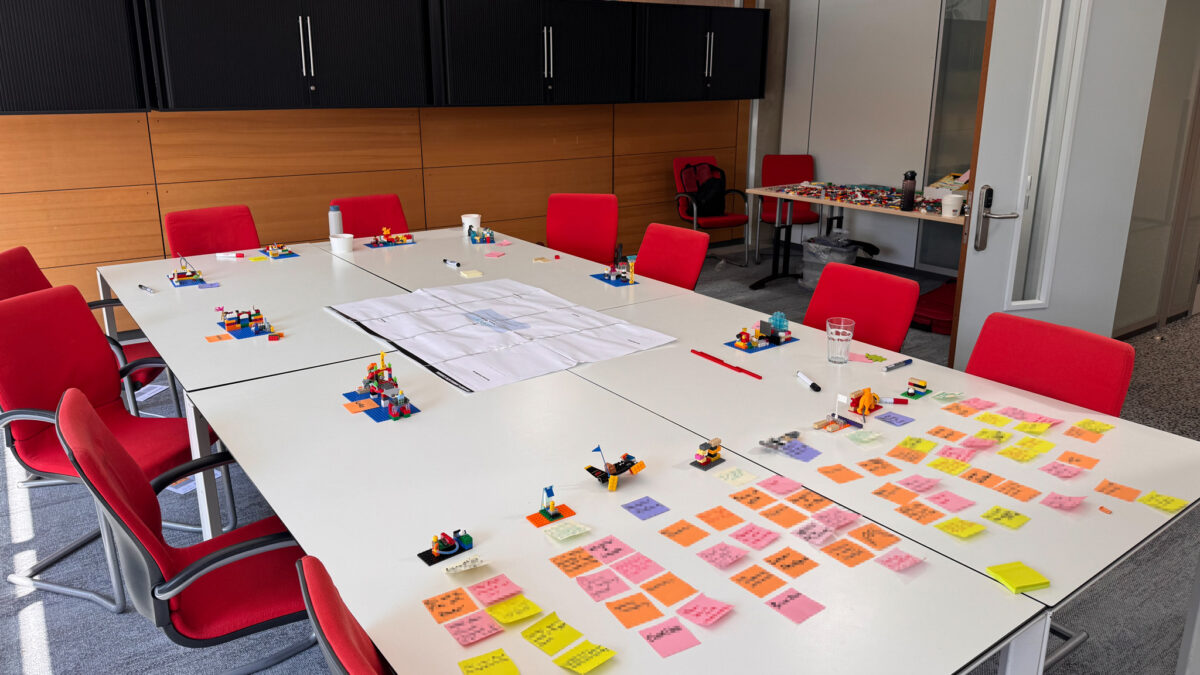
A LEGO® SERIOUS PLAY® workshop follow-up transforms shared models into actionable choices that endure beyond the session. As teams build their path to market, they uncover hidden assumptions and dependencies, revealing that success hinges not just on technicalities but on relationships within the customer organization. However, the challenge arises when the workshop ends, and the clarity fades as teams return to their usual routines. To maintain momentum, it’s crucial to translate insights into decisions, ownership, and evidence. Discover how to turn workshop energy into lasting impact and ensure your team can act on what they learned long after the bricks are packed away.
Why LEGO Serious Play resists the facilitation shortcut
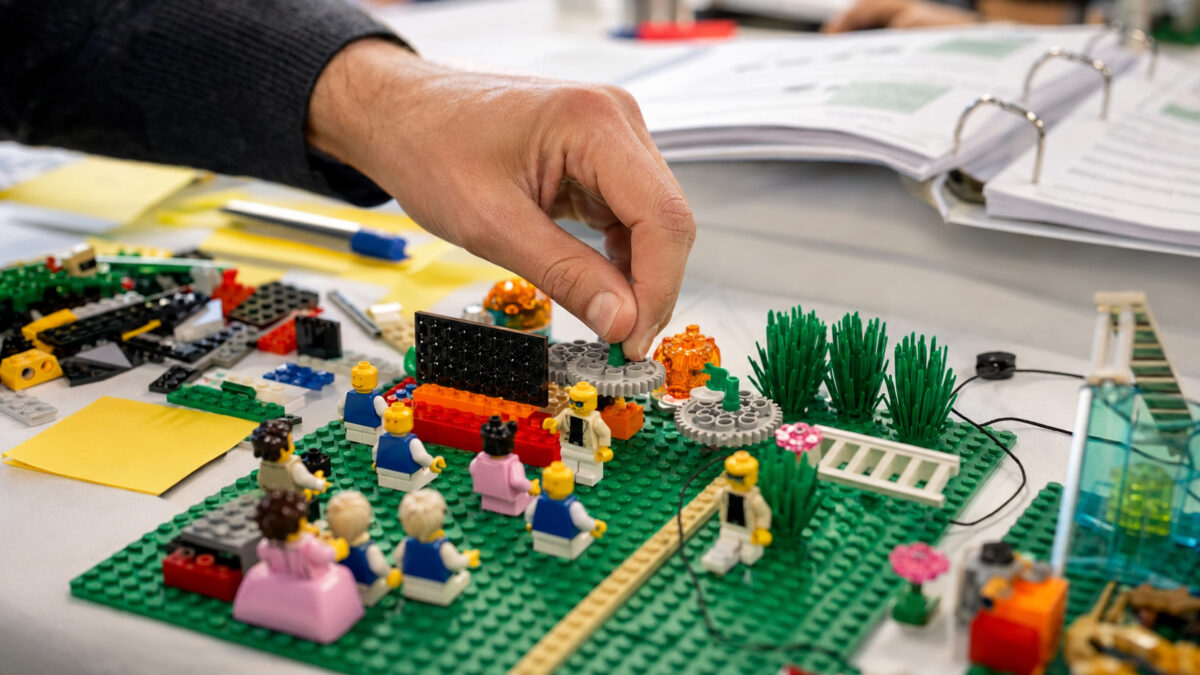
Design Thinking became a checklist that scales. LEGO® Serious Play® still needs a facilitator willing to press on an answer nobody had fully worked out yet, and that’s exactly the part no shortcut can reproduce.
We fixed subjectivity and broke distinctiveness

Twenty years ago creative direction ran on instinct. Then it ran on data. Neither one, alone, was the truth. Here’s the layer most creative processes are still missing.
When the process works on paper but fails in practice
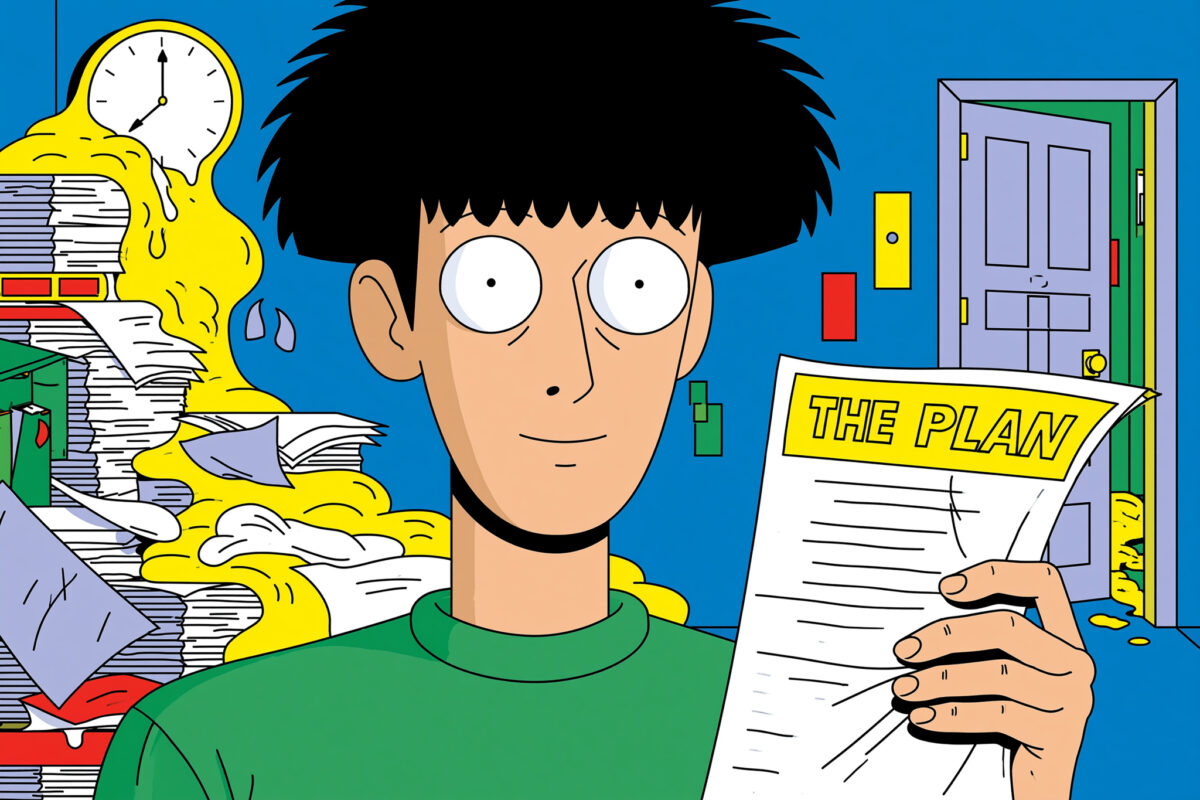
When a process works on paper but fails in practice, the problem usually isn’t effort, it’s design. This article unpacks compliance drift: what it is, why serious systems produce it, and what changes when the design changes.
Brand differentiation is not decoration. It is a load-bearing system.

Brand differentiation is usually treated as a language problem. It is a structural one. The visible brand difference is only as strong as the organisation built to carry it.
When growth gets misread, and who’s responsible for that

Most leaders evaluate development while people are still inside it. That’s not assessment — it’s noise. Here’s why challenge is a design decision, not a comfort question.
Turning assumptions into evidence: from decision leakage to decision drift

Most organizations believe decisions fail because alignment breaks. In reality, decisions often change long before execution begins. As they move across teams, they are interpreted, adjusted, and quietly reshaped. This article explores “decision drift” — the gradual shift in meaning that turns clear decisions into misaligned execution, without anyone noticing when it happens.