
Team culture vs leadership: why teams shape culture more than leaders

Culture is not shaped by leadership intent, but by everyday team behaviour. This article explores why culture forms inside teams, how over-owning culture breaks execution, and what leaders must design for if they want culture to scale.
Human Machine Culture: Why the Real Challenge Is Not AI but How We Work Together
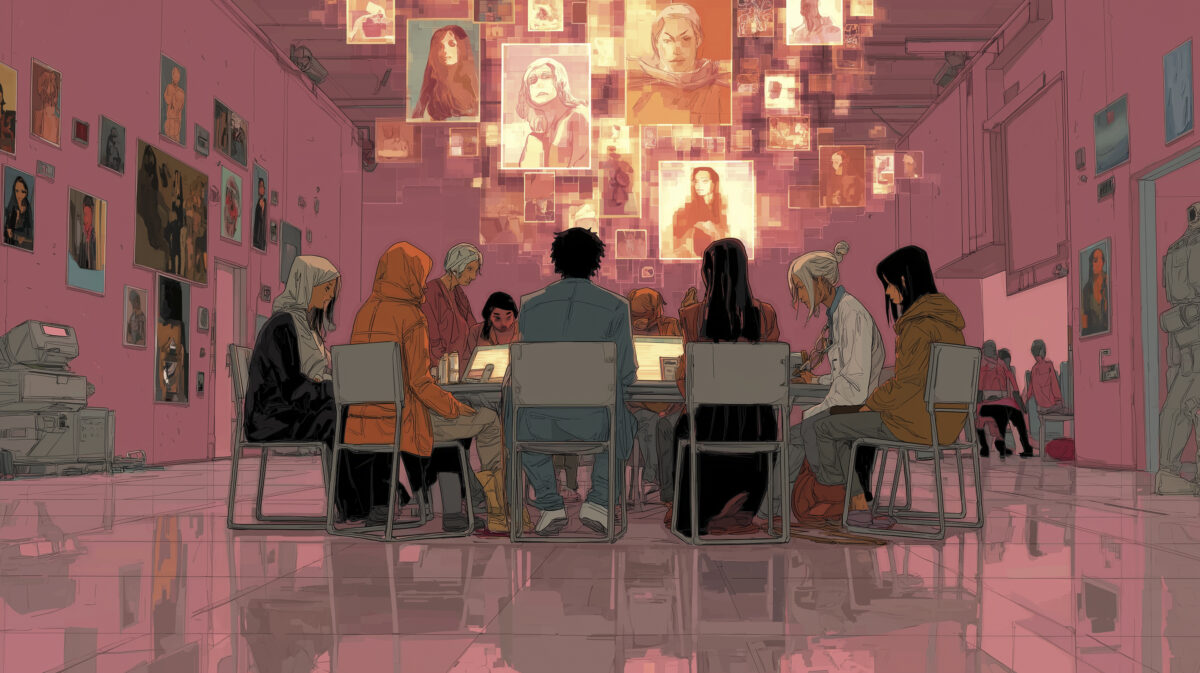
As AI quietly enters everyday work, teams are adapting faster than leadership narratives can follow. Decisions increasingly happen outside formal processes, and tools like AI are often used without being openly discussed. This creates a growing gap between how work is officially described and how it actually happens.
This article explores why human machine culture has become a critical challenge for organizations, especially SMEs, NGOs, and CSR teams. It argues that the real risk is not technology itself, but the silence that forms when behavior changes faster than culture. And it shows why making these patterns visible is now essential to keeping work, trust, and decision making aligned.
Forget Policies. Design Adaptive Cultures Instead.

Adaptability is not a policy problem. It is a behavioural one. This article examines how leaders can design the conditions for better decision-making, rather than adding more rules that fail under pressure.
The Questions I Didn’t Ask

Leadership self-reflection isn’t about better answers. It’s about noticing the questions we rush past when experience and responsibility take over. This article explores how slowing down thinking can improve leadership decisions under pressure.
Leading Through Mistakes

Mistakes don’t just happen. They reveal how your team behaves under pressure. This article explores why leadership, culture, and psychological safety determine what happens in those critical moments.
Governance, Not Glitter! Designing Creative Systems That Scale with AI

AI is reshaping the creative world—but not always for the better. As platforms like Canva’s newly relaunched free Affinity suite make design faster and more accessible, many teams risk trading quality for speed. In Governance, Not Glitter, Chris Vernaschi explores why the next frontier of creativity isn’t about mastering new tools, but mastering the systems that govern them. Drawing from real-world facilitation experience, he argues that brand coherence, ethical alignment, and structured leadership—not endless output—are what make creativity truly scalable.
What Each Belt Taught Me About Facilitation, Strategy, and Life (at 47)

I earned my brown belt at 47. Here’s how belt-by-belt BJJ lessons become strategy: pace over panic, technique over muscle, finding your game, and refining relentlessly.
Customer-Centric Innovation: Designing With People, Not Just for Them
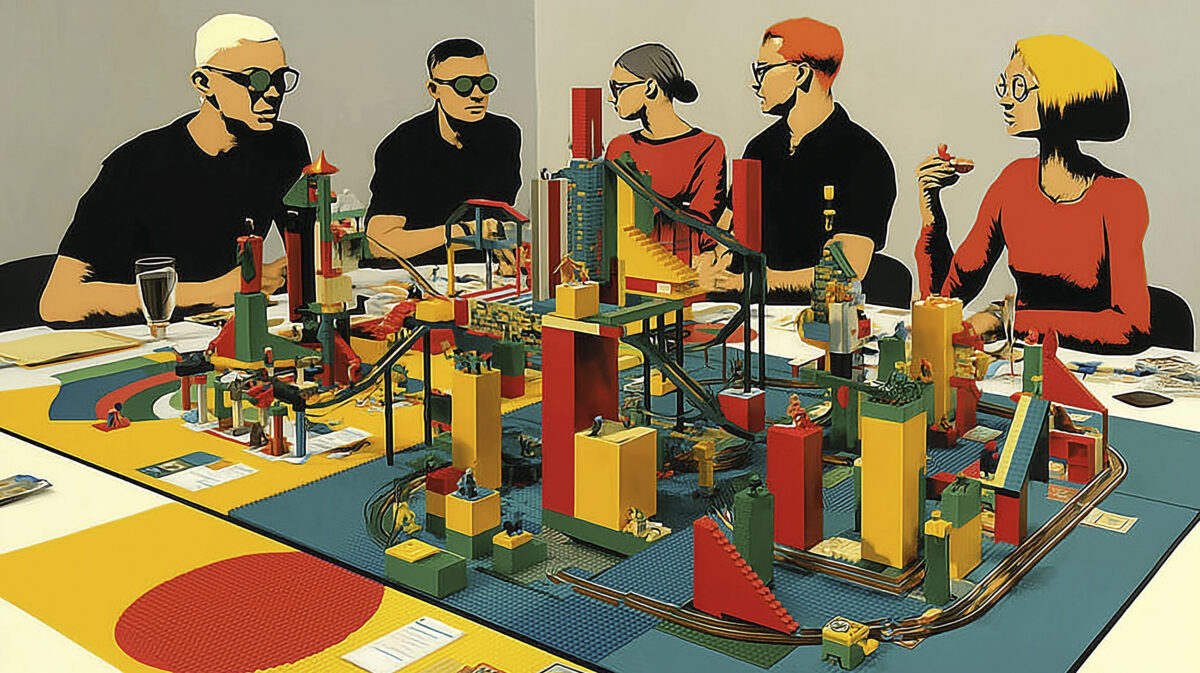
Customer-centric innovation means designing with people, not just for them. This article explores how practical tools like Design Thinking, stakeholder mapping, and LEGO® SeriousPlay® can help businesses co-create meaningful, user-driven solutions. Learn how focusing on real human needs leads to loyal customers, engaged teams, and long-term impact.