
AI FOMO is not about technology. It’s about how you think.
Most AI conversations stay at the level of tools. The real issue is deeper. AI exposes how teams think, decide, and organise work. This article explores why AI FOMO is less about technology and more about decision systems.
AI literacy is not a training problem. It is a leadership design problem

Most organisations treat AI literacy as a skills issue. The real challenge is structural: who decides, who checks, and how human judgment stays visible once AI enters workflow.
European competitiveness is a leadership design problem

CSRD is not a reporting exercise. It is a structural stress test for leadership systems. As European regulation tightens, funding access, governance maturity, and competitive advantage increasingly depend on how coherently decisions move across your organization. This article explores why European competitiveness is now a leadership system design problem.
What Each Belt Taught Me About Facilitation, Strategy, and Life (at 47)

I earned my brown belt at 47. Here’s how belt-by-belt BJJ lessons become strategy: pace over panic, technique over muscle, finding your game, and refining relentlessly.
Summer Strategy Reset: Visionary Planning for Q4

Use the August slowdown to zoom out, reset priorities, and prepare your team for a powerful Q4. This article offers 3 practical strategies to reflect, realign, and lead with clarity before the year-end sprint begins.
Fuel Your Leader Edge with a Stronger Founder Mindset

How tech founders can use the quiet of summer as a powerful opportunity to reset? Instead of pushing through the August slowdown, leaders are invited to pause, reflect on their purpose, and renew their founder mindset. Through practical tips and mindset shifts, it highlights how intentional rest fosters resilience, clarity, and strategic focus—setting the stage for meaningful leadership and growth in the months ahead.
Engaging Teams in Remote and In-Person Workshops

Hybrid workshops are fast becoming the norm, but making them effective takes more than just a video call. In this practical guide, strategist and facilitator Chris shares tools, techniques, and real-world insights to help you design inclusive, engaging sessions that connect remote and in-person participants alike. Learn how to eliminate “second-class participant” dynamics, empower your leaders, and make hybrid collaboration a true strength in ongoing consultations and team innovation.
Customer-Centric Innovation: Designing With People, Not Just for Them
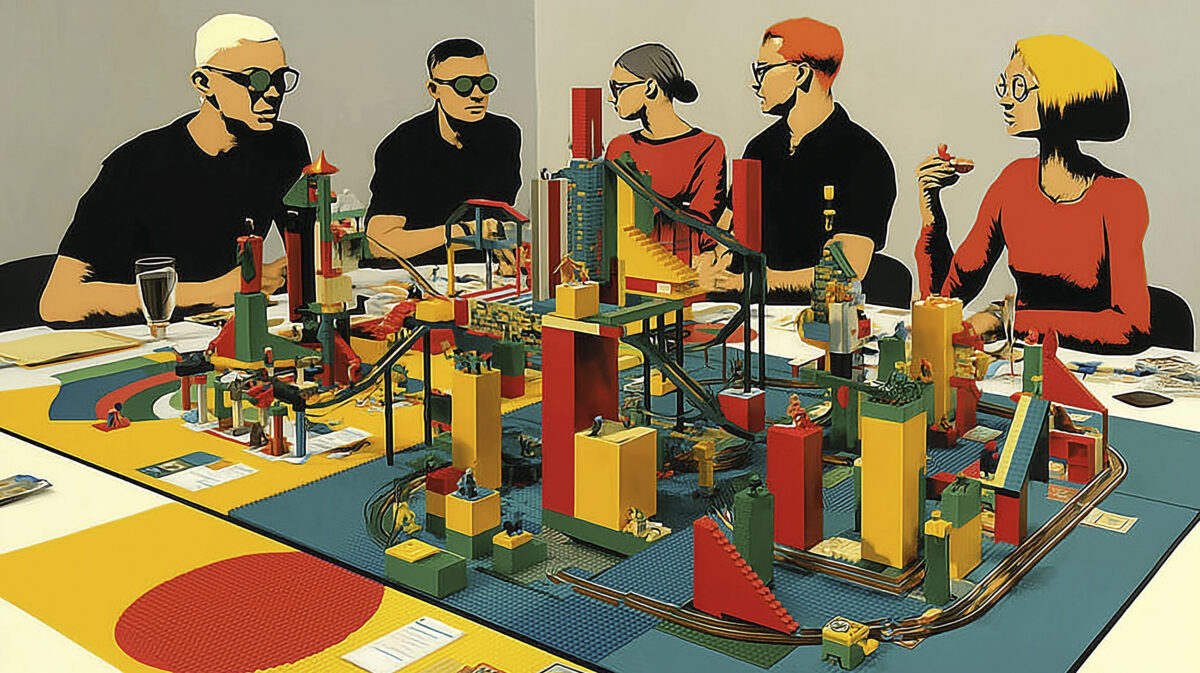
Customer-centric innovation means designing with people, not just for them. This article explores how practical tools like Design Thinking, stakeholder mapping, and LEGO® SeriousPlay® can help businesses co-create meaningful, user-driven solutions. Learn how focusing on real human needs leads to loyal customers, engaged teams, and long-term impact.
Solving Business Challenges with LEGO® SeriousPlay®
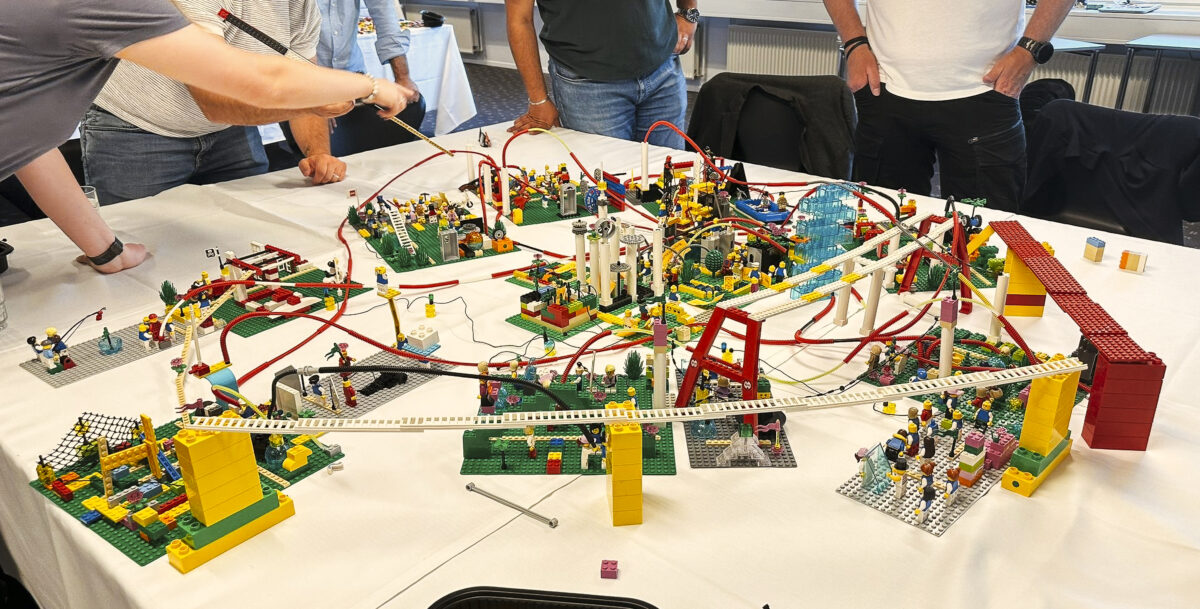
Imagine a group of professionals from different sectors gathered around a white table, not to examine spreadsheets, but to play with LEGO® bricks. The LEGO® SeriousPlay® methodology transforms abstract business challenges into tangible models and engaging narratives. This innovative approach fosters active participation, creating a psychologically safe environment where every voice matters. Discover how “serious play” can enhance communication, align strategies, and stimulate creativity, leading to remarkable outcomes and greater team cohesion. Want to learn more?
Operational Empathy in Agile Workflows: How Emotion Drives Real Innovation
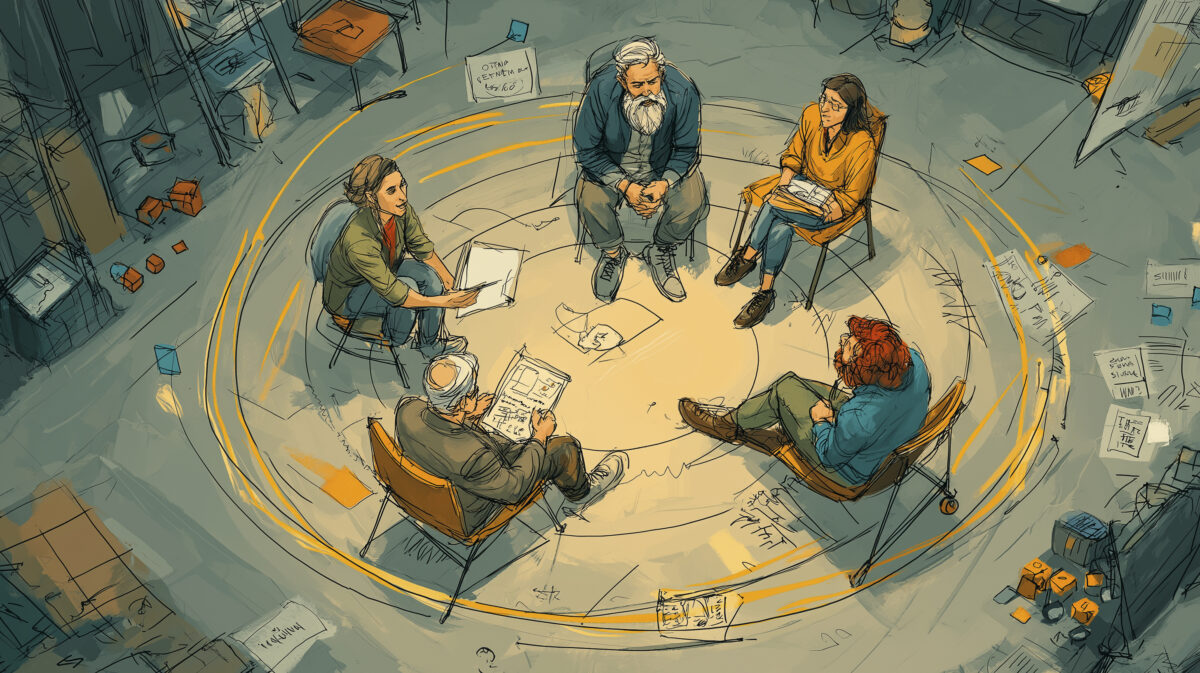
In today’s fast-paced business world, frameworks like Agile and Lean promise speed and structure, but often miss a crucial ingredient: empathy. In this article, strategist Chris introduces the Operational Empathy Loop, a 4-step framework designed to bring emotional intelligence into how teams work, innovate, and collaborate. Learn how to move beyond efficiency and embed empathy into retrospectives, sprints, and product development—boosting alignment, trust, and impact across your organization.
If your team delivers fast but misses connection, it might be time to rethink how you feel your way to better outcomes.