How leaders respond under pressure defines whether teams learn or decay.
A few years ago, a junior designer on my team made a small mistake with big consequences. A wrong QR code slipped into an email campaign scheduled to reach more than ten thousand people. The email went out. Then the link failed. Suddenly, the room felt it instantly.
What happened next revealed more about leadership and culture than any retrospective ever could.
When pressure hits, culture speaks first
By the time I walked in, the temperature had already shifted. At that point, the designer was being confronted by a different department. Voices were firm, impatience rising, the emotional load pushed downward onto the least experienced person in the chain. She was overwhelmed, shrinking under the weight of a problem that wasn’t hers alone.
This is the moment where teams show their operating model.
High-reliability teams don’t collapse into blame. Error-recovery cultures treat mistakes as data. Environments grounded in psychological safety, as Amy Edmondson describes, make it possible for people to stay engaged even when the stakes rise.
In that room, the gap between intended culture and lived experience was suddenly visible.

Mistakes are diagnostic moments, not disciplinary ones
I stepped in and pulled the responsibility back where it belonged. Not as a shield, but as a reset. If something reaches the public with errors, it means our system failed. The review structure. The workflow. The clarity of ownership. All of that sits with leadership, not with the most junior person in the chain.
Once accountability was reassigned, the next move mattered even more: stabilizing the emotional spike. I asked future complaints to come directly to me. Not to absorb blame, but to remove unnecessary volatility from the team. Leadership is often the act of holding pressure so others can keep learning.
And then the actual work began.
I sat with the designer later, no judgement, no dramatics. We unpacked what went wrong and how to prevent it next time. The absence of fear created space for learning. That’s the difference between a reacting environment and a learning one.
How teams behave under stress is the real KPI
The shift was immediate.
Within days, the designer became more proactive and detail-oriented. Not because she was afraid of repeating the mistake, but because she felt supported enough to grow from it. Other departments adjusted their tone too. Requests arrived with more clarity and emotional discipline. The entire system recalibrated because one escalation point had been interrupted.
Structured facilitation methods work for the same reason.
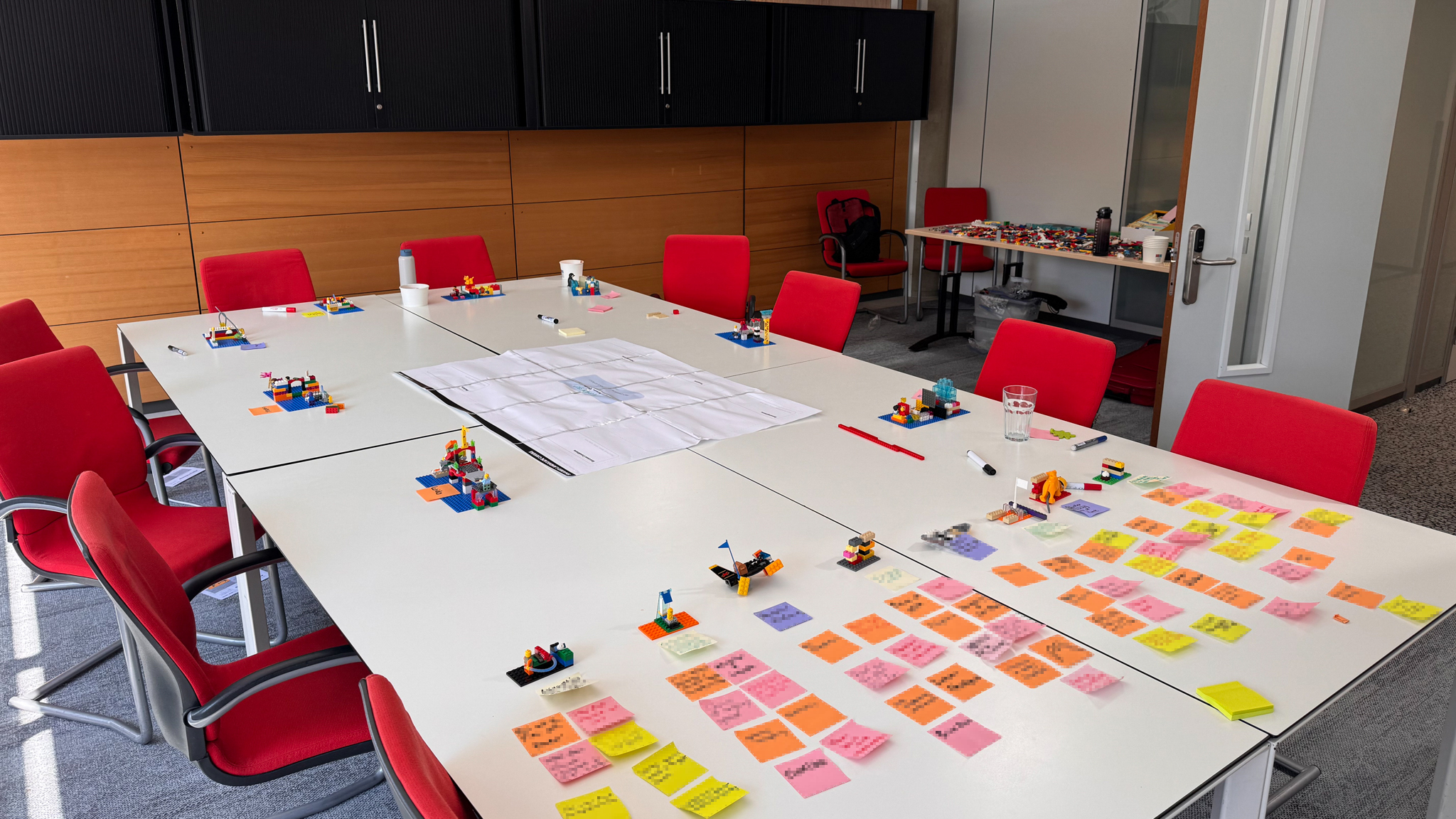
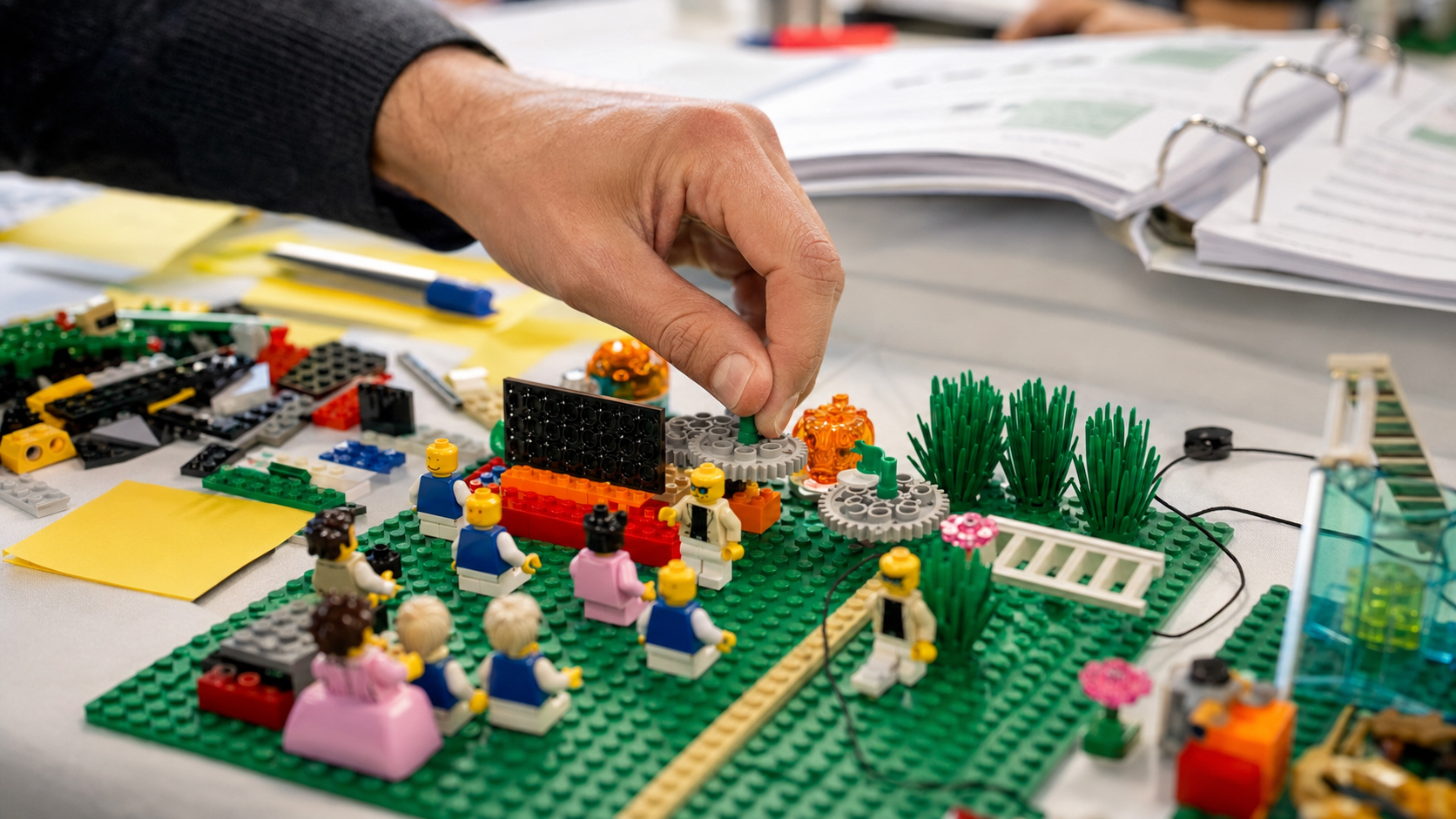
Whether it’s Design Thinking, high-reliability checklists, or LEGO® SeriousPlay®, in each case, structure prevents escalation. It redirects attention from who is at fault to what the system is showing. It externalizes the problem, reduces defensiveness, and keeps the team inside a learning posture rather than a threat posture.
Learning environments fail when emotional uncertainty overwhelms cognitive capacity. They succeed when the system remains stable enough for people to stay curious.

The leadership principle underneath it all
When something breaks, the instinctive question shouldn’t be
“Who messed up?”
but
“What did this mistake reveal about how we work?”
Mistakes expose the difference between the culture you claim and the culture you run. They also show where clarity is thin, where pressure flows, and whether your environment rewards honesty or hides risk.
And leadership shows up in the micro-seconds between noticing the problem and choosing the response.
Conclusion
The day that QR code failed, nothing catastrophic happened. No crisis. No reputational disaster. But something important surfaced: the quality of learning inside the team depended entirely on how the leader behaved when the system was under strain.
When leaders panic, mistakes multiply. When leaders stay grounded, teams improve faster than any process ever could.